
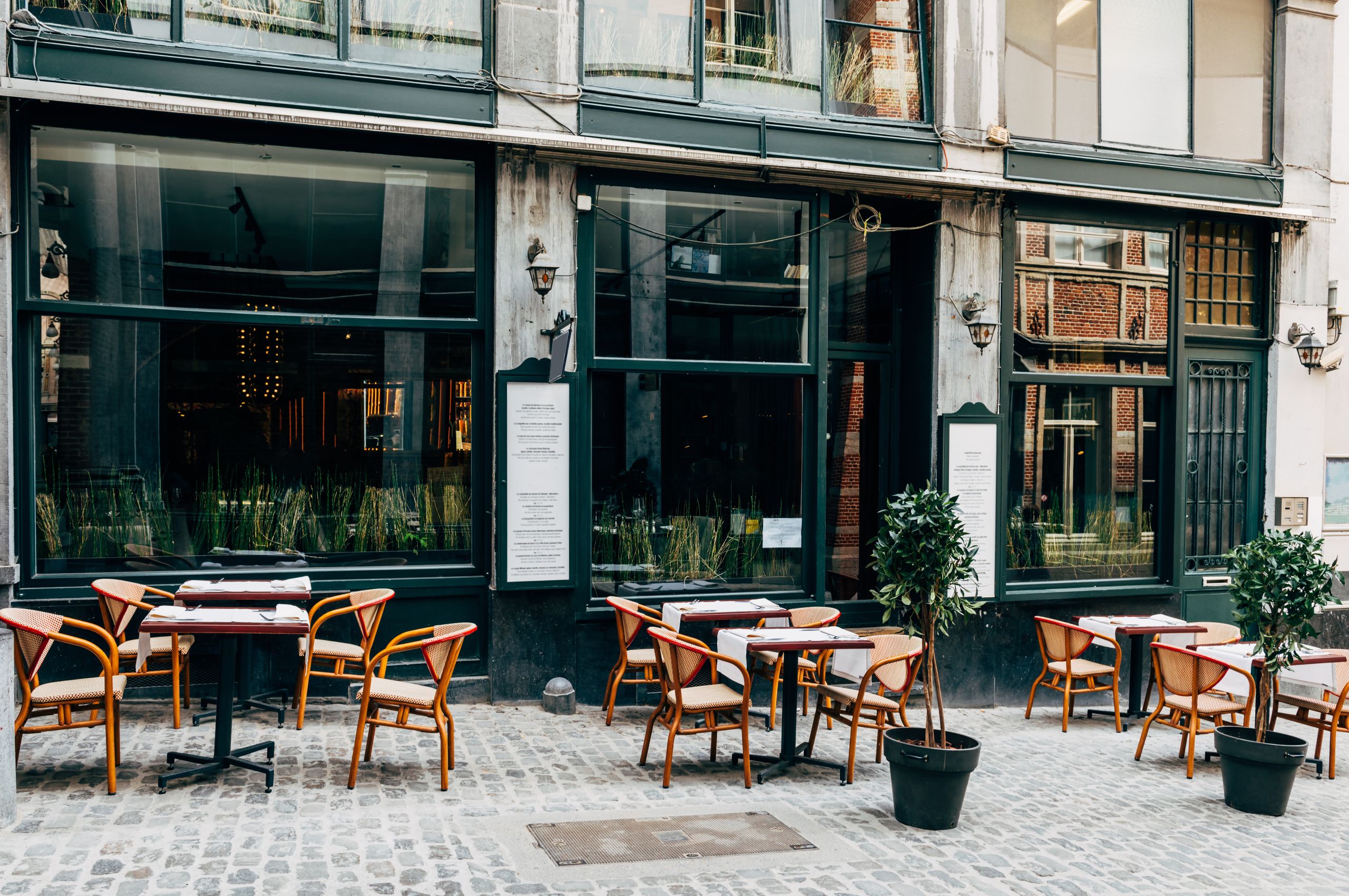

2026 will be a year defined by smarter stores, data-driven experiences, and food with a renewed focus on convenience and authenticity. Leaders who act on current trends in the restaurant industry now will capture attention and revenue in an increasingly competitive market.
Omnichannel and the Future of Retail
Retail continues to evolve from single-channel shops into highly integrated omnichannel experiences. Stores are becoming places to discover and interact, while digital touchpoints handle fulfillment and personalization. Retailers are investing in AI for personalization, inventory optimization, and dynamic pricing to create consistent experiences across online and offline channels. These investments shape the future of retail and how consumers expect to be served.
Experience-first Dining and Food Trends
Restaurants will lean into elevated comfort and authenticity. Diners in 2026 are seeking familiar flavors presented with craft and care, and food trends show a shift toward ingredient transparency and heritage techniques. Reports indicate a growing crossover between retail and restaurant trendsetting, with many food ideas starting in retail channels before migrating to food service. This blending accelerates innovation and keeps menus fresh.
Data, AI, and Store Operations
The future of retail and restaurant is AI. Businesses are already using AI to forecast demand, reduce waste, and personalize offers in real time. Expect continued adoption of edge computing in stores to speed processing of in-store sensors, cameras, and interactive displays. These technologies reduce friction and help teams act faster on customer signals. Industry advisors emphasize that retailers who scale AI responsibly will gain measurable efficiency and loyalty advantages.
Curbside, Delivery, and Hybrid Commerce
Delivery and pickup remain core revenue channels. Consumers expect speed and reliability, and retailers are optimizing fulfillment models to meet those expectations. Restaurants will continue to refine delivery with route optimization and consolidated dispatching to reduce costs and improve on-time performance. The rapid rise in convenience formats means the winners will be those who can unify online orders, in-store pickup, and delivery with consistent experiences.
Stats to Watch
One recent outlook projects notable growth in omnichannel and non-store sales over the coming years, demonstrating long-term momentum for hybrid commerce models.
Food service trend trackers are also signaling that 2026 will bring renewed focus on ingredients and category shifts that began in retail, making collaboration between retailers and restaurants more important than ever.
Practical moves for 2026
- Invest in integrated POS and analytics to connect online orders, in-store sales, and loyalty data.
- Test AI-driven personalization for promotions and product recommendations to raise conversion rates.
- Optimize fulfillment by combining pickup and delivery flows so staff and drivers work efficiently.
- Highlight provenance and preparation on menus and product pages to match consumer demand for authenticity.
- Use real-time data to manage inventory and reduce waste while keeping popular items in stock.
2026 will reward businesses that blend human hospitality with smart technology. Systems that connect sales, inventory, and customer insights will separate leaders from followers. Prepare now to capture the next wave of shoppers and diners.
Don’t fall behind as retail and dining accelerate into 2026. See how LINGA POS can unify your channels, power data-driven decisions, and keep your operations competitive. Book a demo today before your market moves on.
